DHS Tightens Immigration Rules: Millions May Be Required to Register or Face Penalties







Posted on 07/03/26 at 13:24
- Millions could be affected by new DHS immigration rules.
- New registration requirements.
- Failure to comply may result in penalties.
Millions of people living in the United States without a formal immigration registration could soon be required to complete a new process introduced by the Department of Homeland Security (DHS). The policy requires certain noncitizens to provide personal information, submit biometric data, and carry proof of registration to avoid possible legal penalties.
The measure represents a significant shift in the enforcement of a federal requirement that has existed for decades but was applied only sparingly and often went unnoticed by much of the immigrant population.
With the final rule now in effect, the federal government aims to actively enforce registration requirements for certain noncitizens who remain in the United States.
The change could affect millions of individuals who have never completed a formal registration process with U.S. immigration authorities.
DHS Begins Enforcing a Longstanding Immigration Requirement
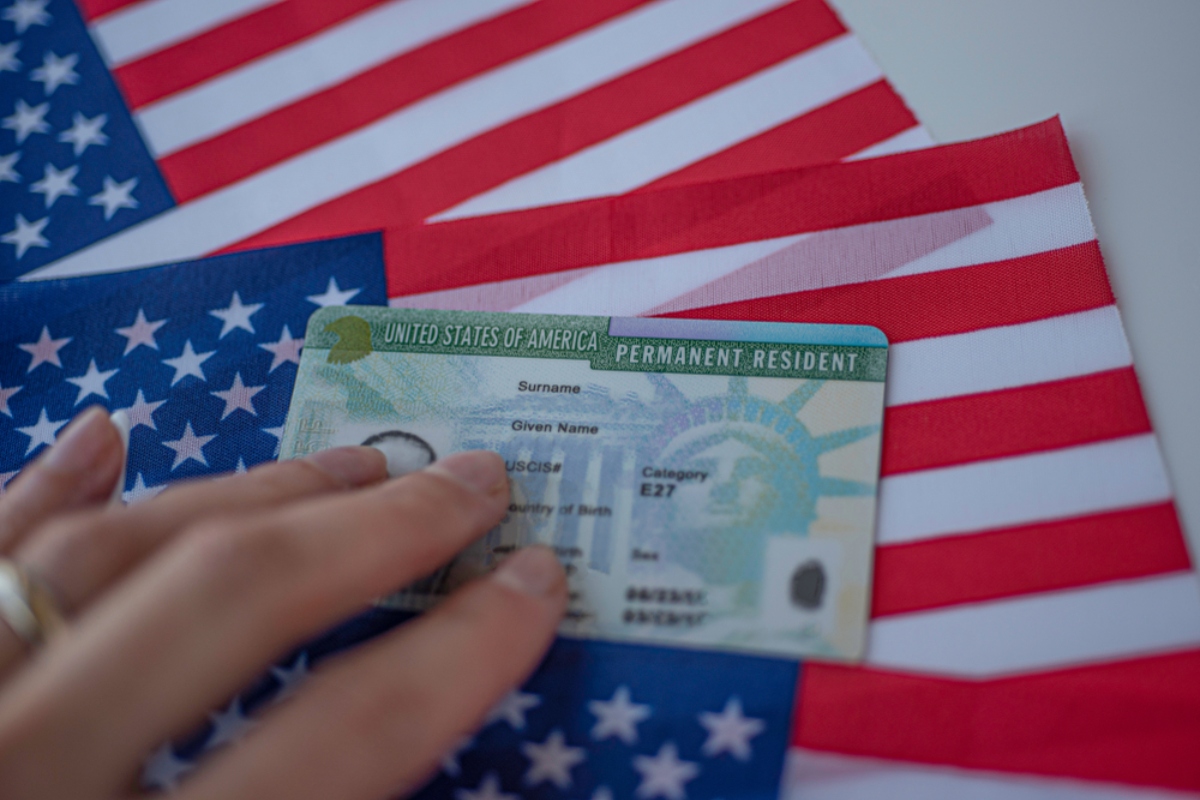
Although the registration requirement is not new, the major change is that the Department of Homeland Security has announced it will now enforce it much more aggressively.
The final rule establishes a nationwide system requiring certain noncitizens to officially register with the federal government.
YOU MAY ALSO LIKE: Victory over Trump? Democrats celebrate ruling on Birthright Citizenship
As part of the process, applicants must provide personal information, submit fingerprints, and complete the required biometric procedures.
In addition, individuals subject to the requirement must carry proof of registration, which authorities may request under certain circumstances.
Who Could Be Affected by the New DHS Immigration Registration Policy?
The policy primarily targets individuals who were never registered through a visa application, lawful admission, or another official immigration process.
Under the regulation, noncitizens age 14 or older who remain in the United States for more than 30 days and have not previously registered must comply with the new requirement.
Official estimates indicate that between 2.2 million and 3.2 million people could be affected by the expanded enforcement of the rule.
For many immigrant families, this could mean additional administrative procedures, new legal obligations, and the need to carefully review their immigration status.
Failure to Register Could Lead to Legal Consequences
The Department of Homeland Security warned that individuals who fail to comply with the registration requirement could face penalties under federal law.
Potential consequences include financial fines, criminal charges, and even imprisonment, depending on the circumstances of each case and how the law is enforced.
Until now, this requirement was rarely enforced through legal action, but the new policy significantly changes that approach.
According to the government, the goal is to strengthen enforcement of a legal provision that remained largely inactive for many years.
2025 Executive Order Changed the Government’s Strategy
According to Newsweek, the stricter enforcement began after an executive order issued in January 2025 directed the Department of Homeland Security to prioritize compliance with immigration registration requirements.
In March 2025, DHS introduced an interim rule that created a new registration form and a biometric identification system for individuals subject to the requirement.
The final rule now formalizes that process and establishes a nationwide framework for implementation, transforming a longstanding legal provision into an actively enforced policy.
Immigration experts recommend that anyone who may be subject to the registration requirement carefully review their individual circumstances and seek legal advice before taking any action, as the consequences of noncompliance may vary depending on each person’s immigration status and specific situation.